The Ultimate Guide to Fashion Modeling: Agency Insights, Model Types, and Building Your Portfolio
Embarking on a journey in the world of modeling can be both exhilarating and daunting. For many aspiring models, the first major step is finding and securing representation with a reputable model agency. But how do you navigate the complex sea of agencies to ensure you are making the right decisions? This blog will provide you with essential tips, insights, and a clear understanding of what to expect, making your journey smoother and more informed.
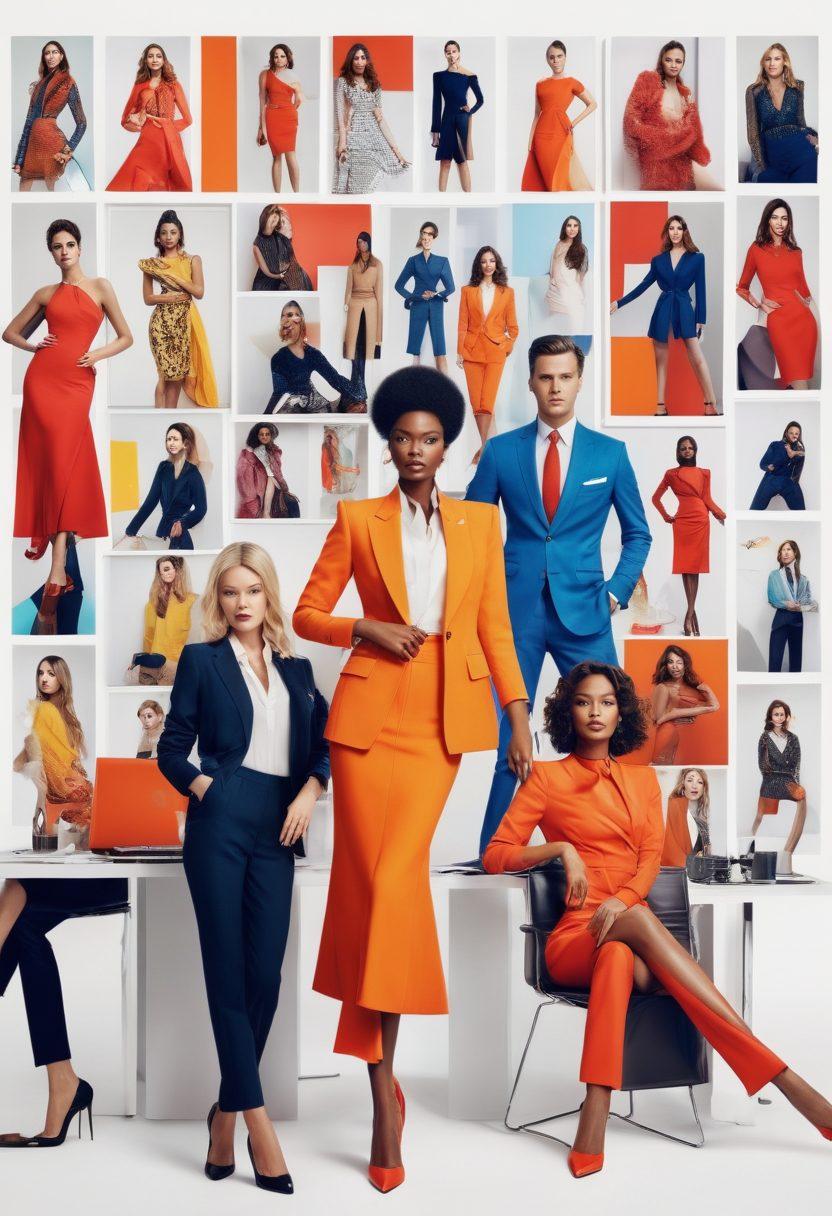
When it comes to model agencies, the landscape is vast and varied. From high fashion models to commercial models, each agency specializes in different types of modeling. Understanding these distinctions is crucial. High fashion model agencies primarily manage runway models and editorial models, who grace the catwalks and fashion magazines. On the other hand, commercial modeling agencies might focus on catalog models and photo models, whose work is more accessible and mainstream. Do your research on potential agencies to see if their niche aligns with your aspirations.
A crucial part of your journey is preparing a stellar model portfolio. A portfolio showcases your versatility and ability to inhabit various roles seamlessly. Professional models often work with photographers to create high-quality images that highlight their strengths. It’s worth investing in professional shoots, as this can set you apart during agency submissions. Remember, your portfolio is your visual resume; make it count!
The process of getting signed by a modeling agency often involves model casting calls and model auditions. Competition can be fierce, with countless female models, male models, and even specialized talents like plus-size models and fitness models vying for attention. It’s essential to be prepared, poised, and portray confidence during these auditions. “First impressions are lasting,” is not just a saying but a golden rule in the modeling industry. Show up on time, dress appropriately, and bring a positive attitude.
Lastly, it’s important to understand the business aspects of modeling, including model contracts and talent management. Agencies provide more than just representation; they play a significant role in marketing and managing a model's career. This includes negotiating contracts, booking jobs, and providing career advice. Building a good relationship with your talent agency can lead to a fruitful and sustainable career. Be sure to read any contracts thoroughly and understand your commitments and rights before signing on the dotted line.
Navigating the world of model agencies can seem overwhelming, but with the right information and preparation, you can set a strong foundation for your modeling career. From researching the right agencies and building a standout model portfolio to acing auditions and understanding your contracts, each step is critical in your journey. As you venture into the exciting world of fashion models and professional representation, remember that perseverance, professionalism, and passion will be your greatest allies.
Types of Models: From Runway to Commercial – Know Your Niche
In the dazzling world of fashion, one size does not fit all. The model industry is as diverse as the styles it represents, with each type of model bringing something unique to the table. When you think of models, what comes to mind? Is it the lofty runway models strutting down in high fashion shows or the dazzling faces on magazine covers? There's a whole spectrum out there, and knowing your niche is the first step towards thriving in this competitive industry.
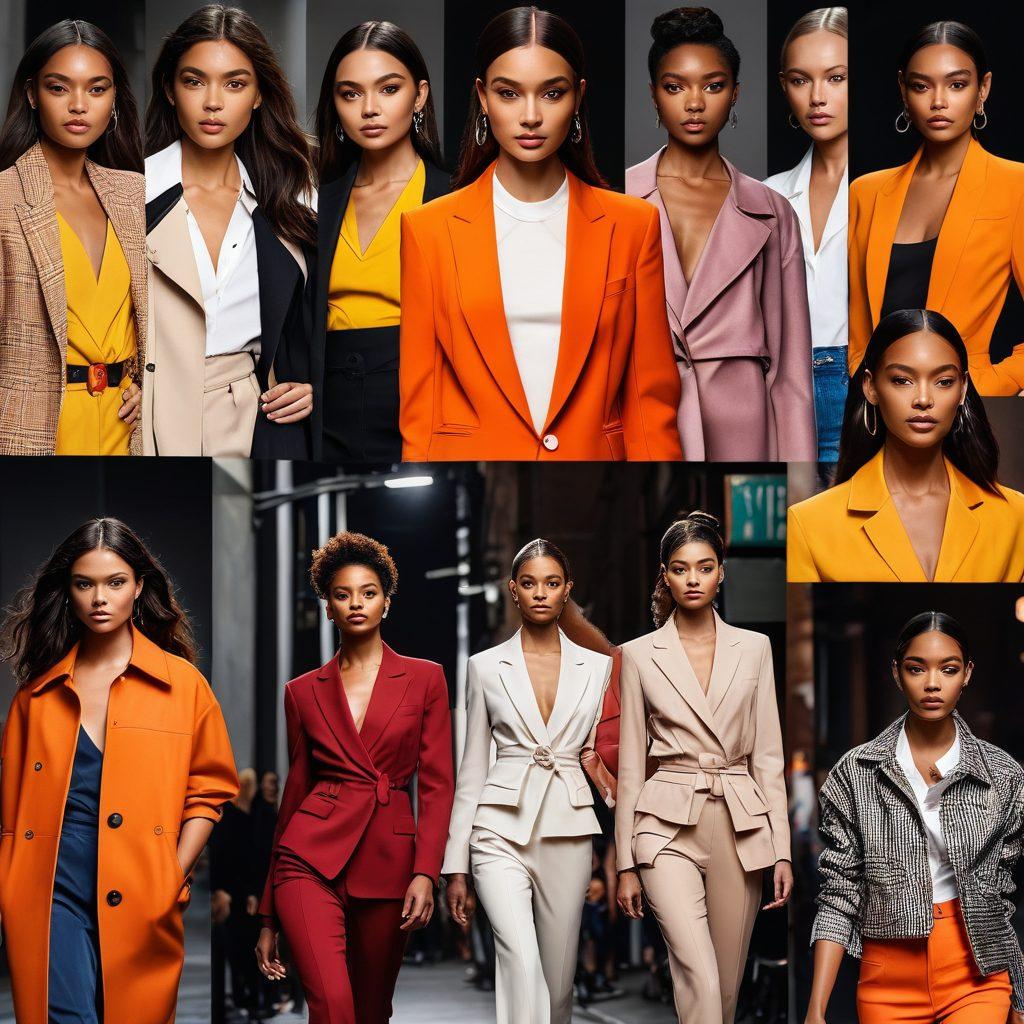
Let’s start with the most iconic: the runway models. These professional models are the epitome of elegance and grace, often towering at least 5’9” and possessing a unique blend of allure and charisma that captivate audiences. Then there's the world of editorial models. These are the faces seen in high fashion magazines, bringing the latest trends to life with their expressive features and versatility. Their work is often more artistic, contributing to the brand’s storytelling in editorials and fashion spreads.
Commercial models, on the other hand, have a broader appeal. They are the faces you see in advertisements, catalogs, and billboards. From catalog models to photo models, these individuals play a critical role in the marketing ecosystem with their relatable looks and engaging personality. Plus-size models have been making waves, breaking boundaries, and fostering inclusivity, proving that beauty comes in all shapes and sizes. They represent a shift towards a more diverse and realistic portrayal of beauty standards in modeling.
The realm of model representation is incomplete without mentioning child models and fitness models. Child models often bring a sense of innocence and charm to campaigns aimed at younger audiences. They work under strict regulations to ensure their well-being, making their journey in modeling a bit different but equally impactful. Fitness models, with their toned physiques and healthy lifestyle, represent brands that align with wellness, sports, and activewear. Their images inspire many to lead healthier lifestyles.
Then, there are niche categories like glamour models and male models. Glamour models often focus on more provocative and sensual modeling, requiring confidence and a strong camera presence. Male models too have a significant spot in the industry, embodying a spectrum of styles from rugged masculinity to sophisticated elegance. These various types of models often work with model agencies and talent management firms to navigate their careers. Model casting and model auditions are integral to their journey, whether it's a model search for the next supermodels or runway hopefuls applying for high-profile fashion shows. Understanding your niche and building a diversified model portfolio is crucial, as it allows you to market your unique qualities effectively. Embrace your individuality, and remember, there's always a perfect spot in the modeling world for everyone.
Creating a Standout Model Portfolio: Essentials for Aspiring Models
In the glamorous and fast-paced world of fashion, creating a standout model portfolio is crucial for anyone looking to make a mark. For aspiring models, it's your ticket to getting noticed by top modeling agencies, casting directors, and talent scouts. But what exactly does it take to craft a portfolio that not only catches the eye but also opens doors to coveted modeling opportunities? Let's dive into the essentials of constructing a portfolio that could potentially transform you from an unknown face to the next big supermodel.
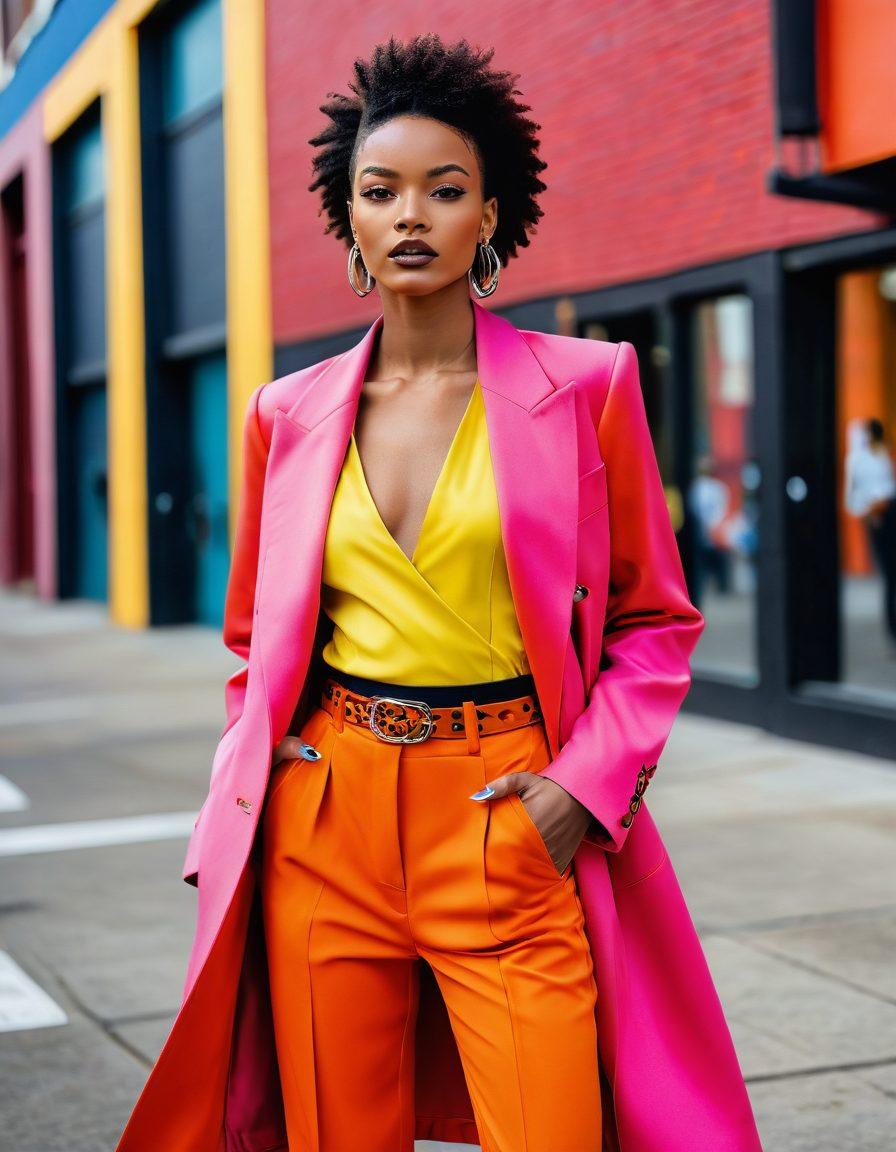
First things first, understand that your model portfolio is your professional visual resume. It should showcase your versatility and ability to adapt to different modeling assignments. The key is to include high-quality photographs that highlight your strengths. A mix of headshots, full-body shots, and editorial fashion photos is essential. Make sure to work with a professional photographer who has experience in shooting portfolios for fashion models. A well-captured image can speak volumes and create a lasting impression. Remember, this is your moment to shine, so choose outfits and looks that exhibit your style range and personality.
Next, it's crucial to tailor your portfolio to the type of modeling you are targeting. Are you aiming to become one of the editorial models gracing the pages of high-fashion magazines, or do you see yourself as part of the commercial models setting trends in mainstream ads? Perhaps you're interested in runway modeling or catalog models? Clarity on your modeling goals will help you create a focused portfolio. Featuring photographs that align with the industry you're interested in will increase your chances of attracting the right model agency and securing coveted model representation.
Don't overlook the power of a strong online presence. In today's digital age, modeling agencies and talent management firms frequently scout for new faces online. Create a sleek, professional website or a well-curated Instagram profile to showcase your portfolio. Include a professional bio and contact information. Pay attention to consistency and professionalism in your social media presence, as it mirrors your commitment and seriousness about modeling. Moreover, an engaging online portfolio enhances your visibility, making it easier for model scouts and casting directors to find you.
Finally, the importance of networking cannot be overstated. Attend fashion shows, model casting calls, and industry events. Building relationships with photographers, fashion designers, and other industry professionals can provide valuable opportunities and insights. Keep an eye on model auditions and participate actively in model searches organized by reputed talent agencies. Your portfolio, combined with a proactive and professional approach, will increase your chances of finding the perfect representation with a top modeling agency. With dedication and the right tools, you can navigate the competitive modeling world and shine brightly.